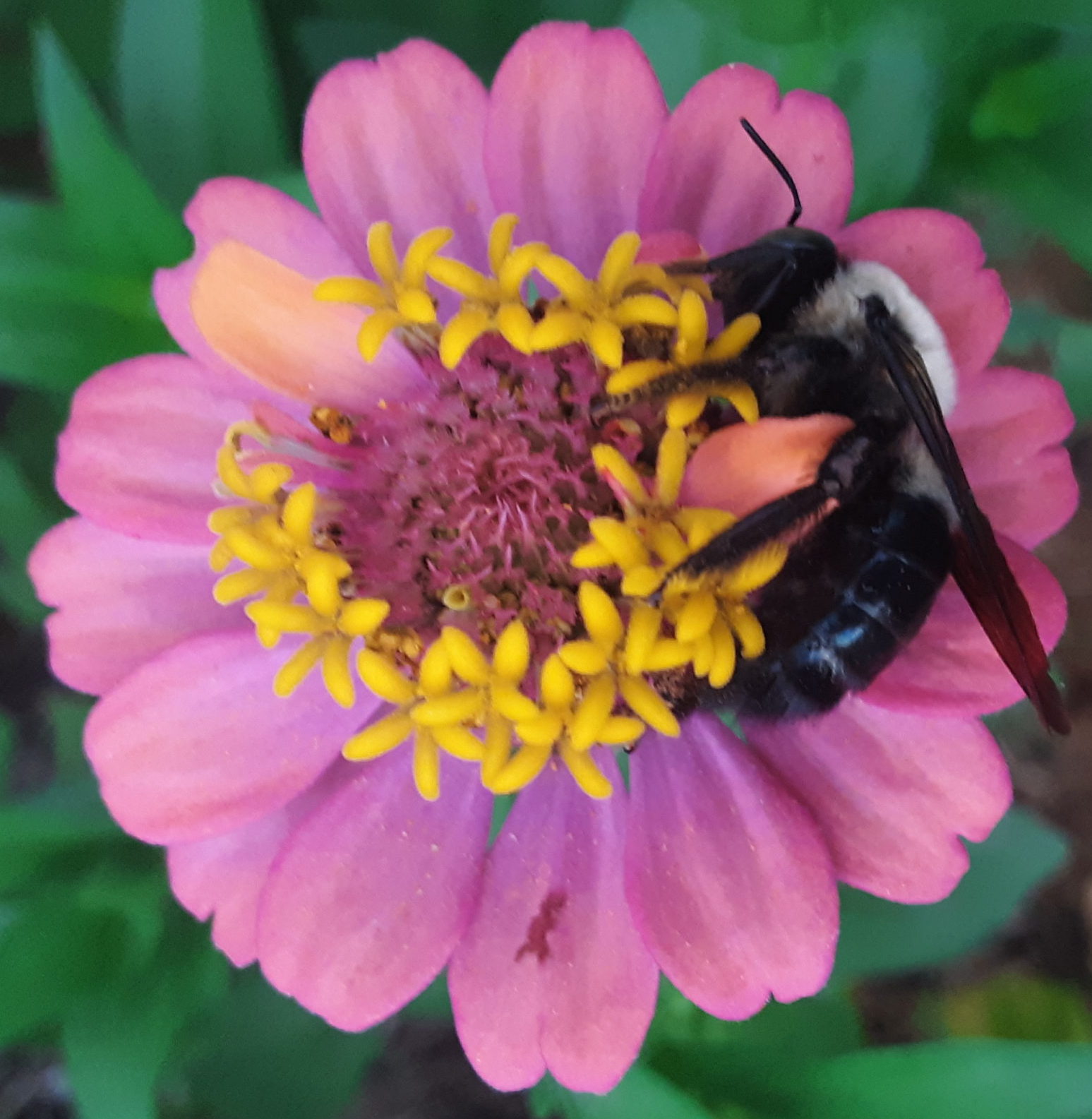
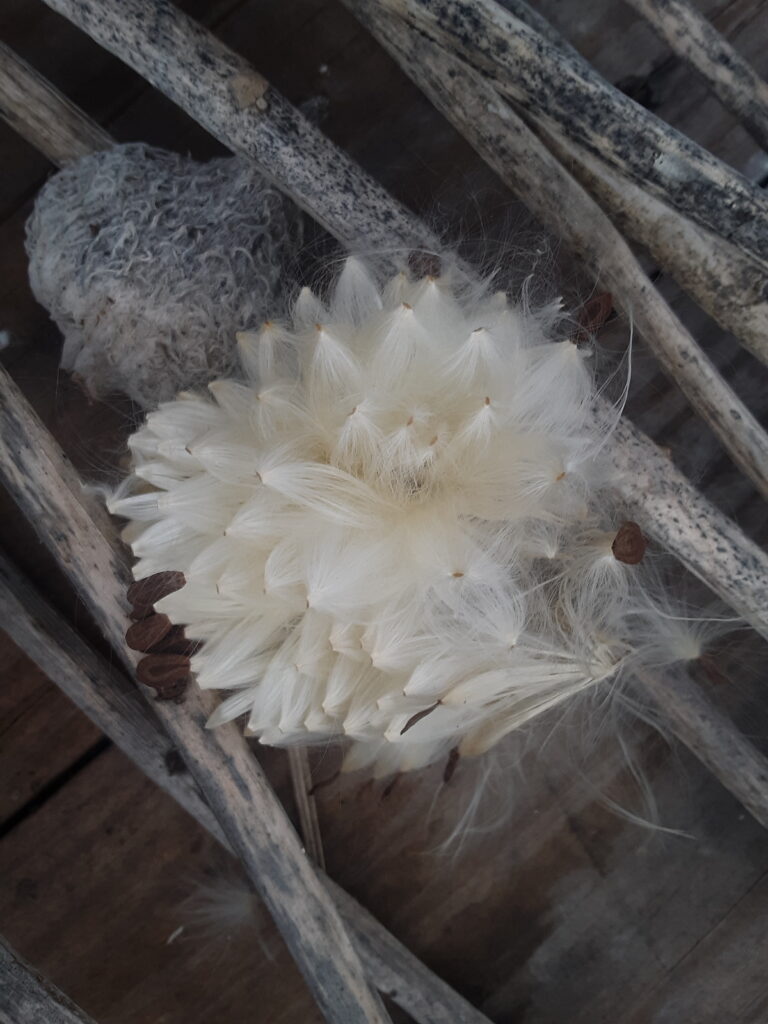
My mother once planted sunflowers that germinated overnight and grew to over eighteen feet tall. I’d heard about these sunflowers all my life and never realized how remarkable this was until I began growing things from seed myself. Conclusion? Growing from seed feels sweet and complete.
Please be aware that if you purchase from some of the links on Virginia is for Gardeners, we may receive a small percentage of that sale. Your cost will be the same, regardless! Thanks for reading:)
Stealing away a few minutes to plant in our first real garden was my main birthday wish the day I turned 25. To accomplish this, I needed the entire morning ritual of chaos managed by someone else while I planted my first garden. I grabbed my randomly assembled packets and stole away to the back 40.
Just after dawn, I traipsed out, awed at the quiet in our yard surrounded by refuges, wetlands, and woods. When I tuned in, I noticed birds sang distinctly different songs with each packet I opened to plant. It felt at the moment that I had many unseen (but heard) allies. The birds were helping me! If these crops grew, it would help them. I felt deep gratitude.
I’d grab a packet and then change them up. It may have been just a supreme hallucination, but it felt divine.
Unseen allies
Shortly after I noticed this soundtrack seemed custom-tailored to my planting choices, I heard a loud jet flying overhead.
I was annoyed at this rude, noisy intrusion into my quiet. But then I heard the birds begin to rally. Their singing became a concerted chorus. It managed to drown out the jet noise and my negativity. These efforts brought a smile to my face, and filled me with thankfulness.
Growing from seed, harvesting patience
I finished planting in peace. I went back to my family with renewed energy, and a sense of a job well done. Within a month, beans were growing, and we had decent crops for our first attempt at vegetable gardening.
When things had begun to flower, I’d already read “Seeds of Change,” by K. Ausubel. I was now aware of growing from seed organically, and the importance of saving and preserving those seeds.
Reasons to grow from seed
The increasing prevalence of bio-engineered food (with its possible ill effects) made growing from seed all the more important to me.
Diversity in American gardens has decreased by at least 90% in the past hundred years. It was important to me to practice seed saving. No matter if I only saved just a few; each one had the power to transform the world and health of our population.
I read about Cortez illegalizing quinoa growing among the Aztecs (who felt it was a sacred plant). I then felt deep reverence while planting the same crop. Other crops barely made it past extinction. Somehow, they’ve managed to survive and find their way into heirloom seed catalogs across the country, despite all the odds.
Growing seed collection
I tried to save seeds from everything I grew, I chose my seeds from these heirloom catalogs. To this day, I try to choose seeds that are at least organic and also heirloom for this reason. When Southern Seed Exchange offers a variety, I know it probably will do well in my region. The seeds have more soul and history than any hybrid that I could buy from a Burpee’s catalog.
Choosing and saving heirloom and organic seeds supports small businesses, family farms, and the future of food security for people everywhere.
For years, I saved seeds from a hibiscus my mom gave me. I saved Pepe tomatoes my friends smuggled in from France. The gourd-shaped drought-tolerant watermelons from our garden had a place in my seed suitcase.
My own seed collection tends to range from 50-150 varieties. It depends upon my success the previous season. My seeds packets live in a vintage suitcase. If I ever have to evacuate my home, it will be one of the only things I take. It is light, and contains, in my opinion, very valuable items.
Whenever gardening or farming friends visit, I try to share my extra seeds.
If a seed is particularly important to me, I try to give it to as many people possible. While big corporations greedily try to patent life forms, it’s important to remember they are not theirs to patent. Rice was grown from seed, and bred by farmers for thousands of years. They kept it alive, because it kept them alive.
It is one of the most revolutionary things one can do, to save and grow from seeds.
One of the best things about saving seeds came not in the form of a resultant fruit or vegetable, but in a story. It was written by my daughter Ajah when she was about ten. This story was the first thing she had published; it appeared in “Riverbanks and Mountaintops,”. It is called “Heirloom Seeds.”

Though Ajah does not share my affinity for gardening, her story gives me hope my kids might one day. In the very least, maybe they will value heirloom varieties, and choose things grown with heart. When they leave home, perhaps I will tuck a few small envelopes into their trouser pockets.