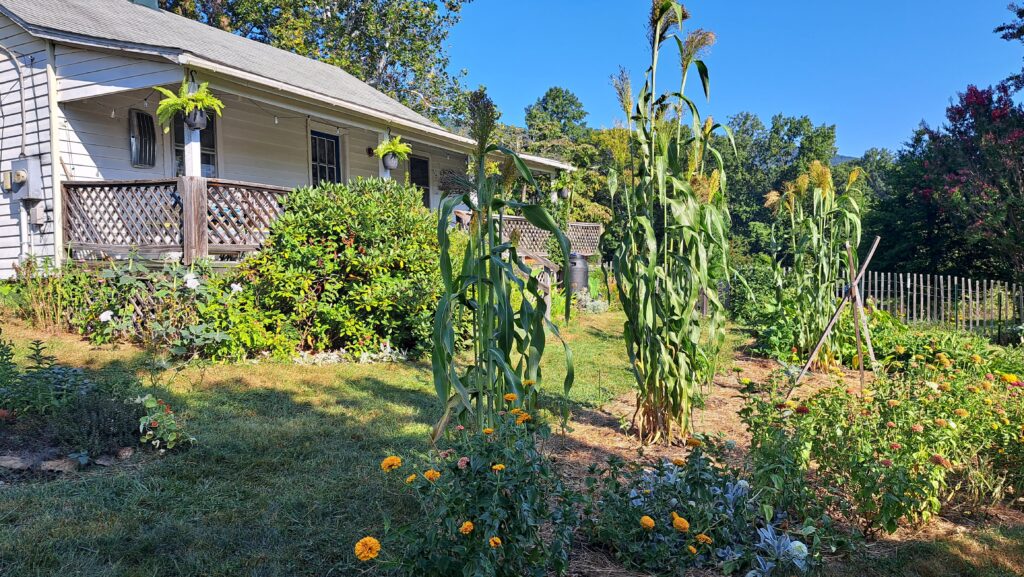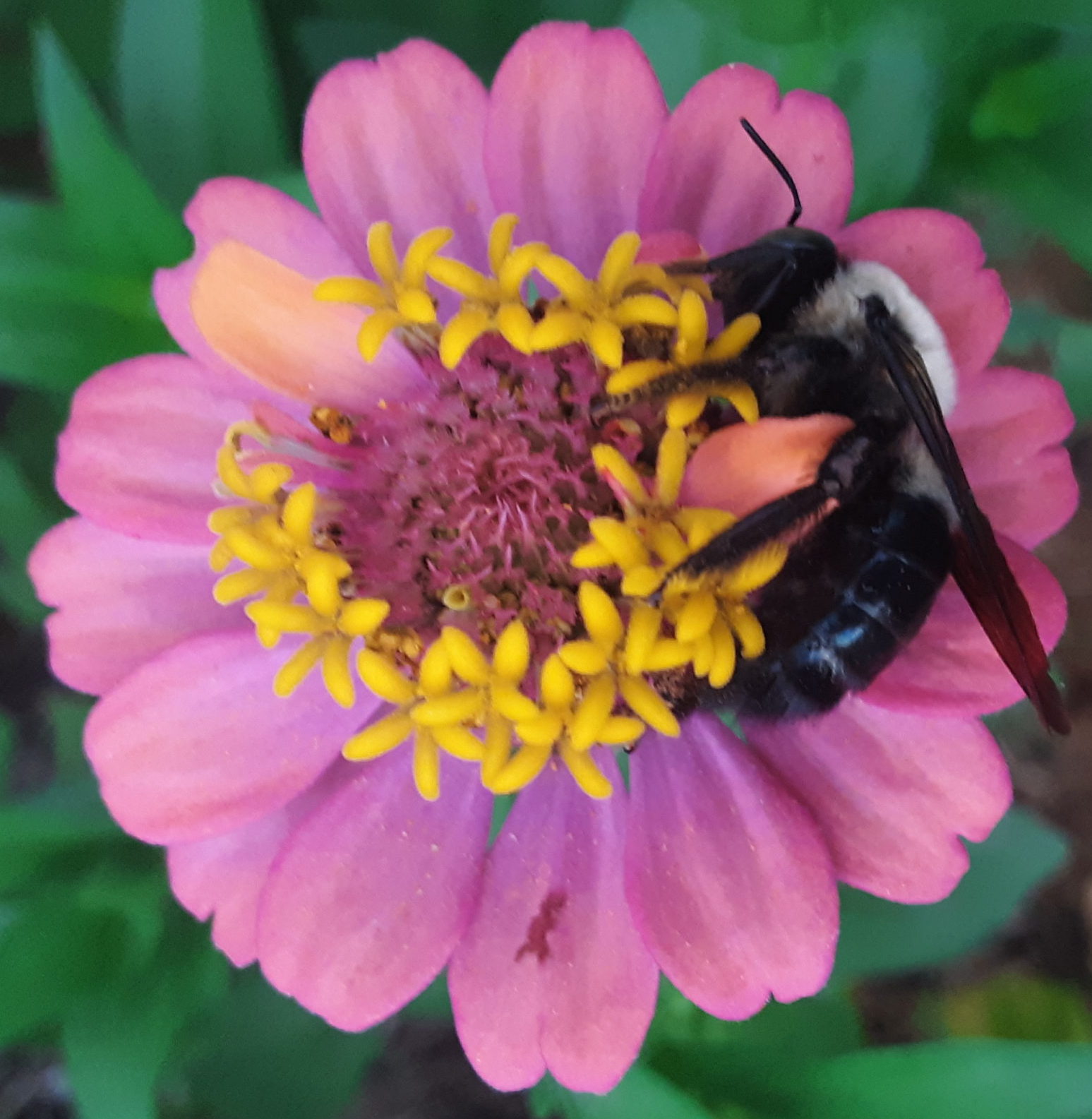
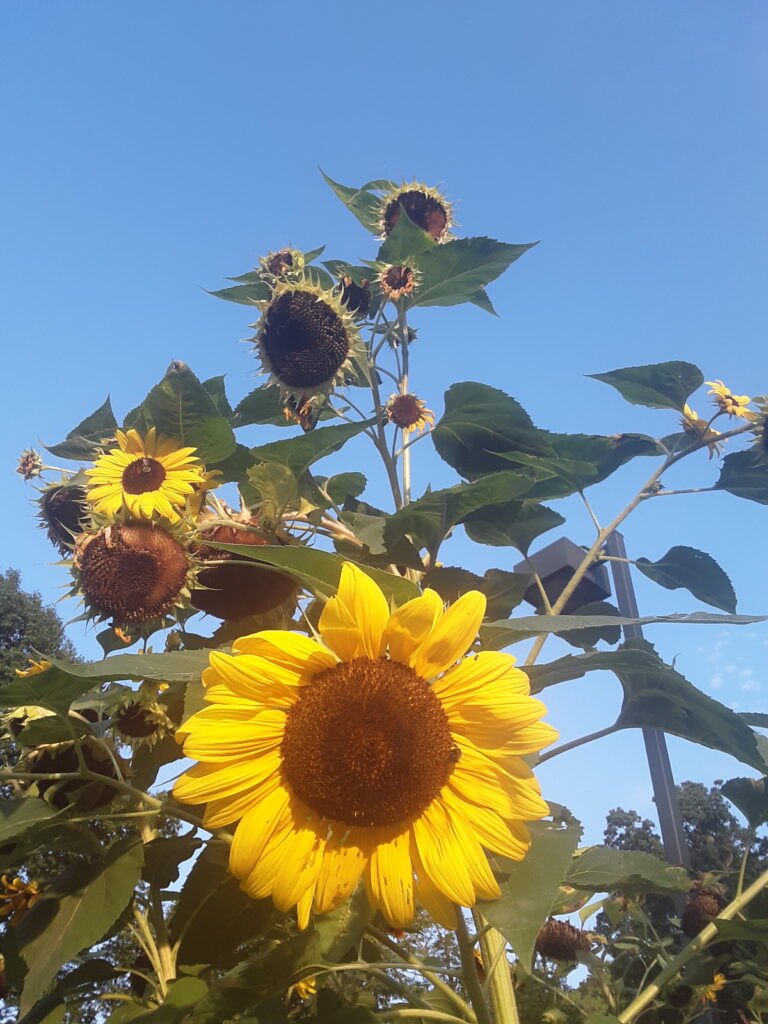
It’s August in your Virginia Garden and what kinds of things should you be doing right now? Well, first off: you’ve got to keep on watering. You are in the home stretch with the main garden season.
Please be aware that if you purchase from some of the links on Virginia is for Gardeners, we may receive a small percentage of that sale. Your cost will be the same, regardless! Thanks for reading:)
More mulching
Make sure you’re using your grass clippings. Or other mulch. A good place to get mulch is at your local feed and seed store. They sell straw bales and straw bales are very effective mulch, very inexpensive.
If you’re super frugal like me, you can also ask the local feed and seed if you can take the straw that has shaken off of the bales and just put them in garbage bags.
That way, if you don’t want to mess up your car, you can fit a whole lot of straw without much mess, if any at all. It’s more lightweight than one straw bale, and you just shake off the amount you need from the bag.
Thank you Cardinal Home Center for years of your leftovers!
Hydrate: yourself, the wildlife, and your garden
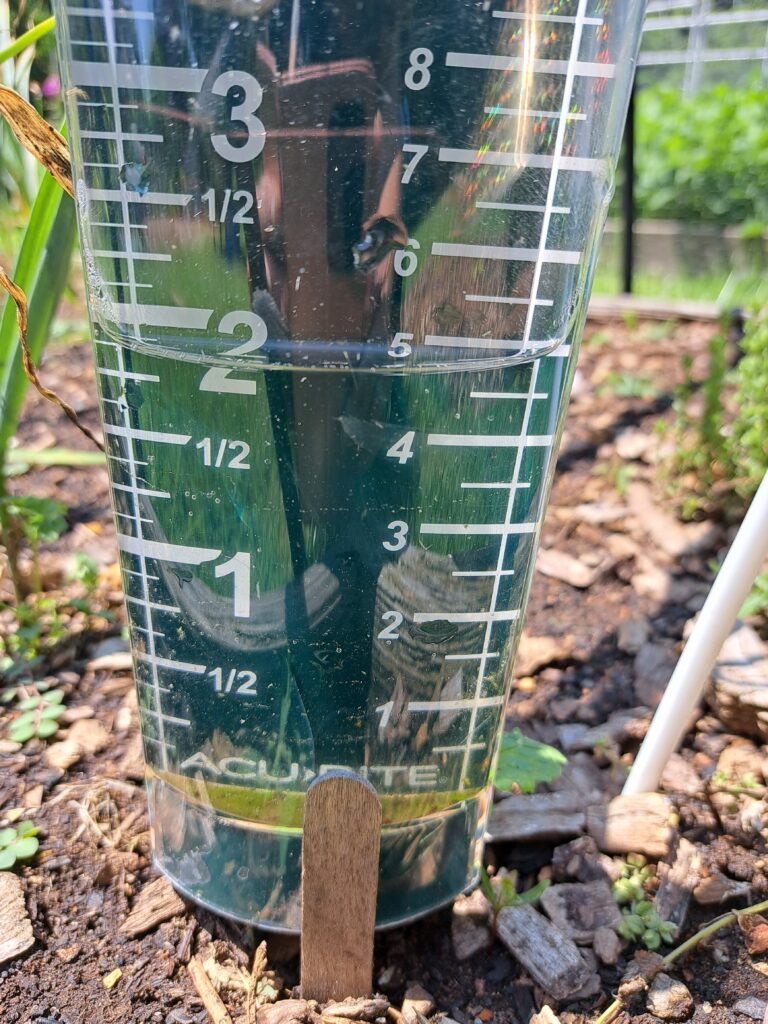
Water in the morning and in the evening if it’s hot. This task is best done as early as possible and as late as possible in your day (think: sunrise and sunset). Top off the water in your ornamental ponds, birdbaths, and hummingbird feeders,
Order up!
Also, you may want to put in orders with your local nursery or through your favorite seed catalog for garlic and onions. You want to start your fall plants. Things like brassicas.
Feed the soil that feeds you
And you also want to continue to add compost tea. Compost, comfrey tea or cut-up comfrey as mulch are ooptimal when placed around plants that need a little bit more nitrogen. if you have a small pond with fish in it, ass some pondwater (the fish poop and plant mater in it acts as a fertilizing agent)
But WHO needs a boost?!
The things to feed include corn, watermelon still on the vine, new pumpkins, or new perennials that you’re establishing.
Cover up!
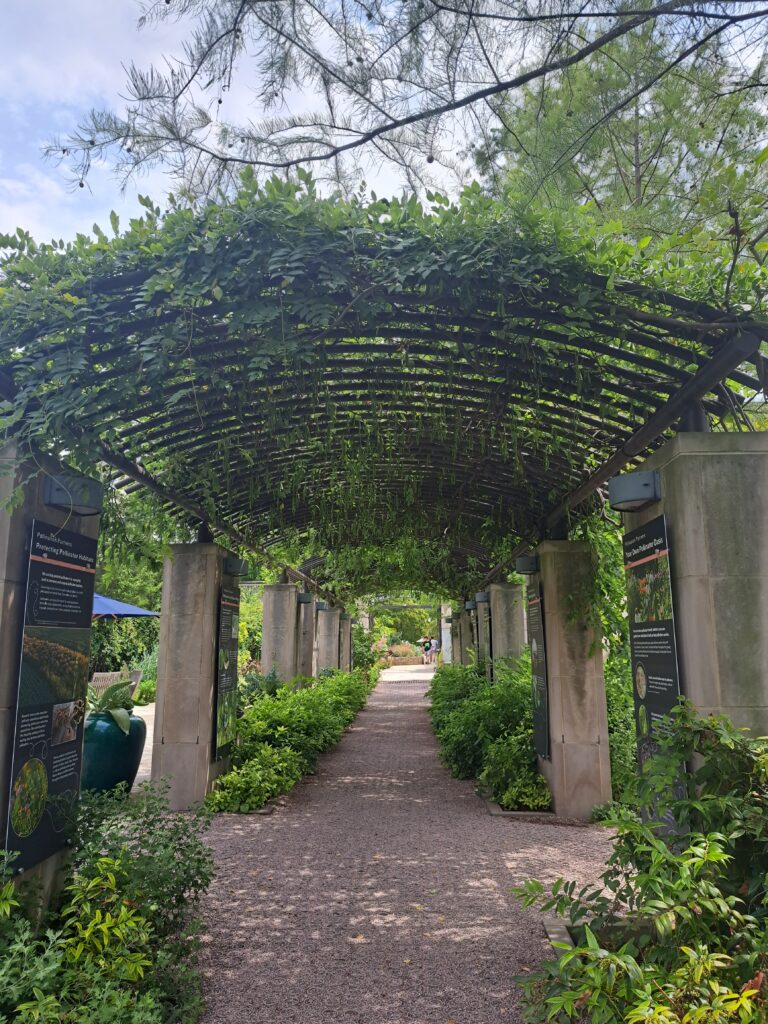
You may want to cover some of your beds with Remay or bird netting if they’re in bright sun and you want a harvest from the fruit on them.
If you have low-tunnels (or high tunnels or the skeleton of a greenhouse), cover them with some type of shade cloth, and plant
your fall seeds under it.
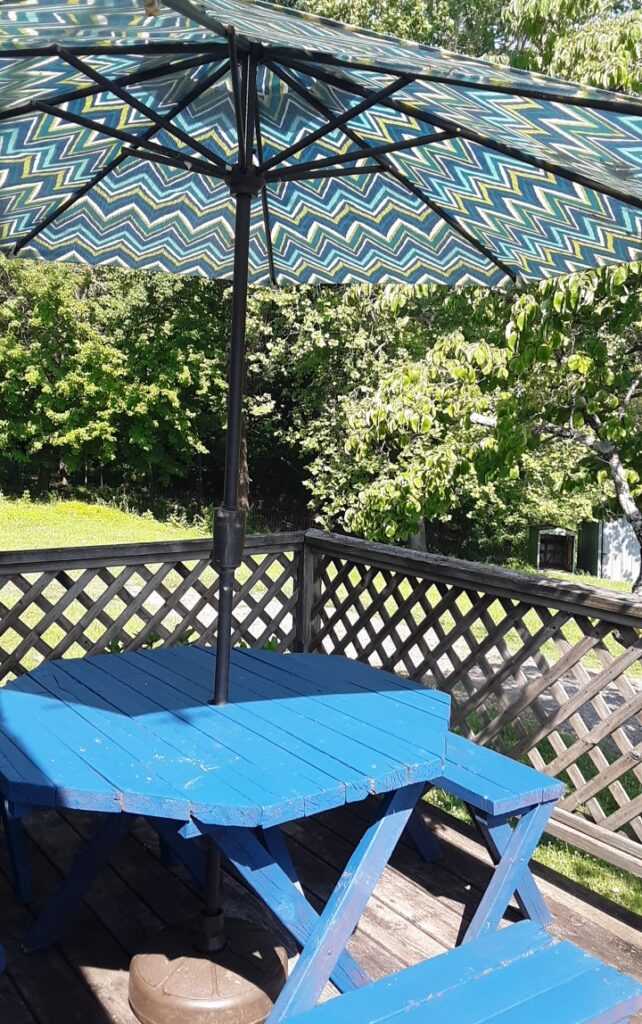
Things you can do to have shade in a garden now: use a beach umbrella. They’re super cheap for sale at the tourist shops. And they’re just as effective in your garden as they are on the beach.
Give yourself some shade, wear a nice sun hat, and harvest early in the morning or late in the evening. There is no need to be out there grunting for no reason!
The best fertilizer is a gardener’s footsteps
This time of year, be sure you’re walking around your garden every day or close to it. There is so much to see, and it’s like to final act of the grand drama of summer! Patrolling things often is important, because insect infestations in July and August can happen quickly, but are fairly easy to remedy.
It is a bummer to lose hard-won produce to Squash or Potato beetles (though, you probably won’t have potatoes by August unless you leave them in the ground for early potatoes next march!).
Most wanted
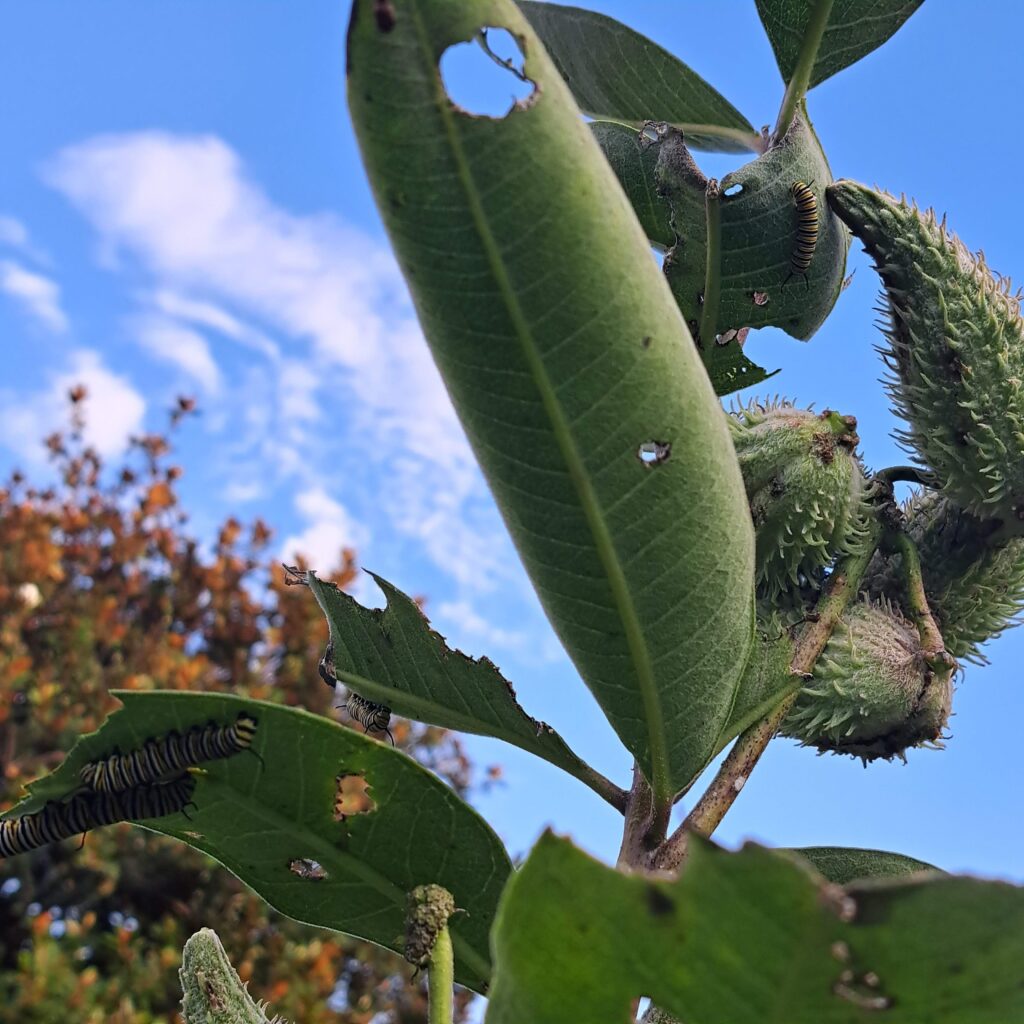
Firsat, enjoy the insects you planted for and invited to be part of your gardens and wildflower patches, for they are plentiful! Milkweed attracts Monarch butterfly caterpillars; swallowtail butterflies abound.
Most (Un) wanted
The pests this time of year to look for are tomato hornworms and squash beetles. They’ll go after things pretty quickly. If you have chickens, you can just pull them off and hand them to the chickens, sprinkle a bit of diatomaceous earth on the plants, or wait until small eggs form on the hornworms that will parasitize them and do the job for you.
Happy harvesting!
Pick squash and cut herbs as much as possible. Plant fall seeds for collards, kale and spinach. Thump watermelons and check for ripeness. Cut and share your herbs and cut-flowers as much as possible to increase production and enjoy their output.
Those are the main things you want to do in August. Make sure you’re harvesting anything that is ready.
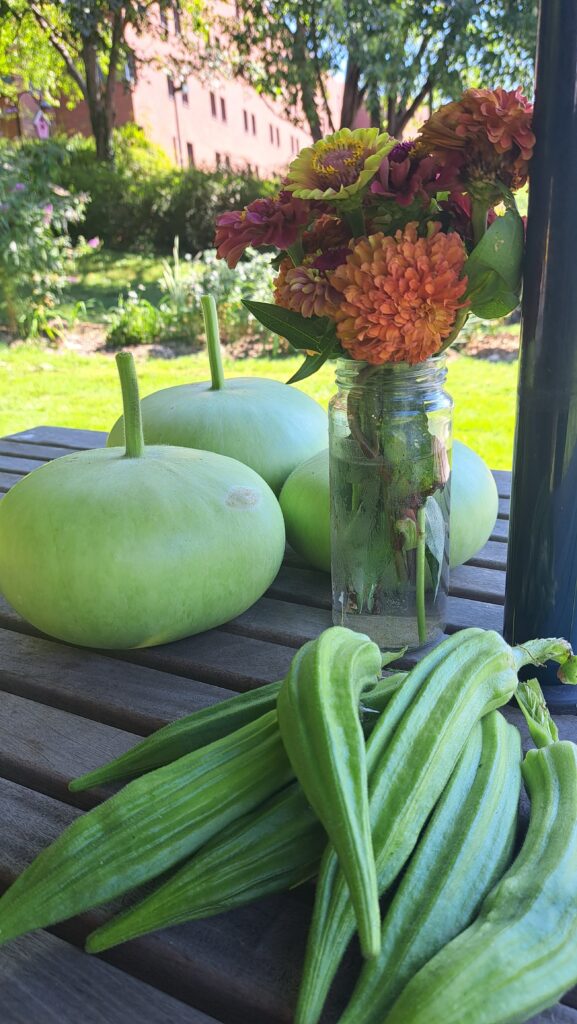
Dry, pickle, freeze and can whatever you can! Your winter self will appreciate your industrious summer self:0)
The longer you keep fruit on the vine or the plant pass when it’s ready, it takes energy from the plant to produce new food and invites unwanted insects. So make sure you’re picking from the abundant grocery store in your garden!
Herbal applications
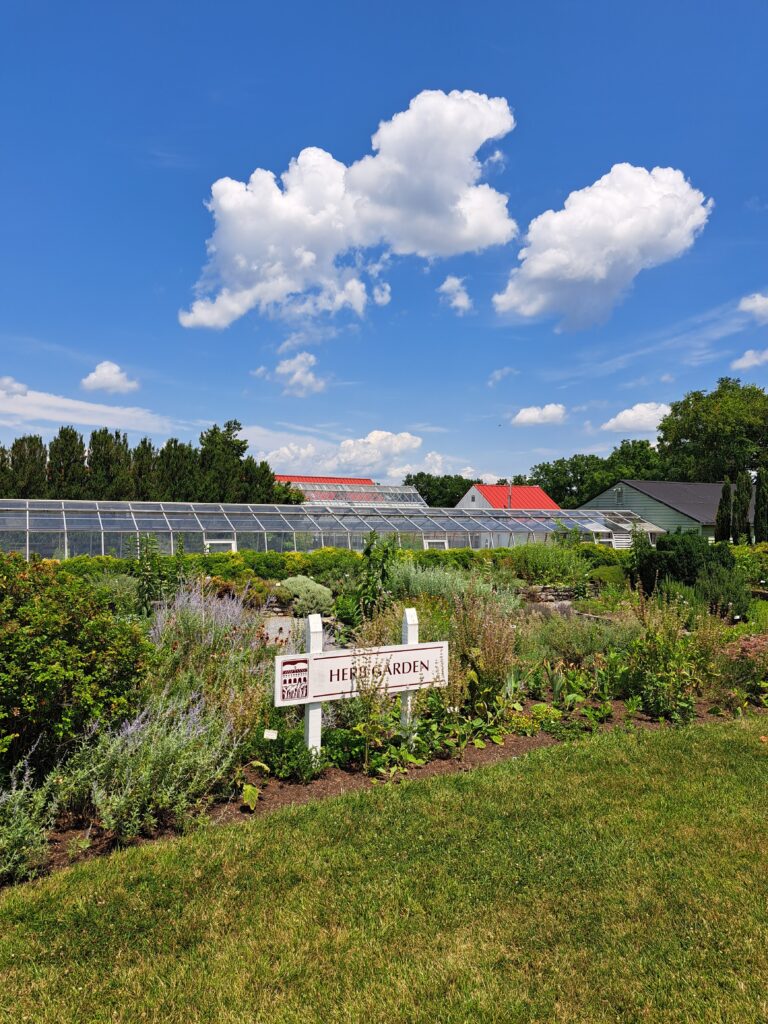
As I mentioned, make sure you cut all your herbs. Herbs are super generous, and the more you cut them, the more they’ll produce! Dry them, share them, make herbal vinegars. Make and enjoy sun tea in your garden with your mint, anise hyssop, lemon balm and green tea.
Alternatives to at-home consumption
If you don’t want to eat it, share it with neighbors. Or leave it in one of the little free libraries that’s been repurposed as a food. distribution place as a supplement to local food banks. Share the seeds from these plants.
And if you’re overwhelmed and you don’t feel like working in the garden or weeding, sit in a shady spot where you can still look at the garden and watch when the sun is there so that next year when you’re planning and planting, you might want to move things over to a part of the yard or garden that’s perhaps more comfortable to work in or decide where you want to plant some shrubs, small trees, or even larger trees to give you shade.
From the mountain to the sea, Virginia is for happy gardeners!