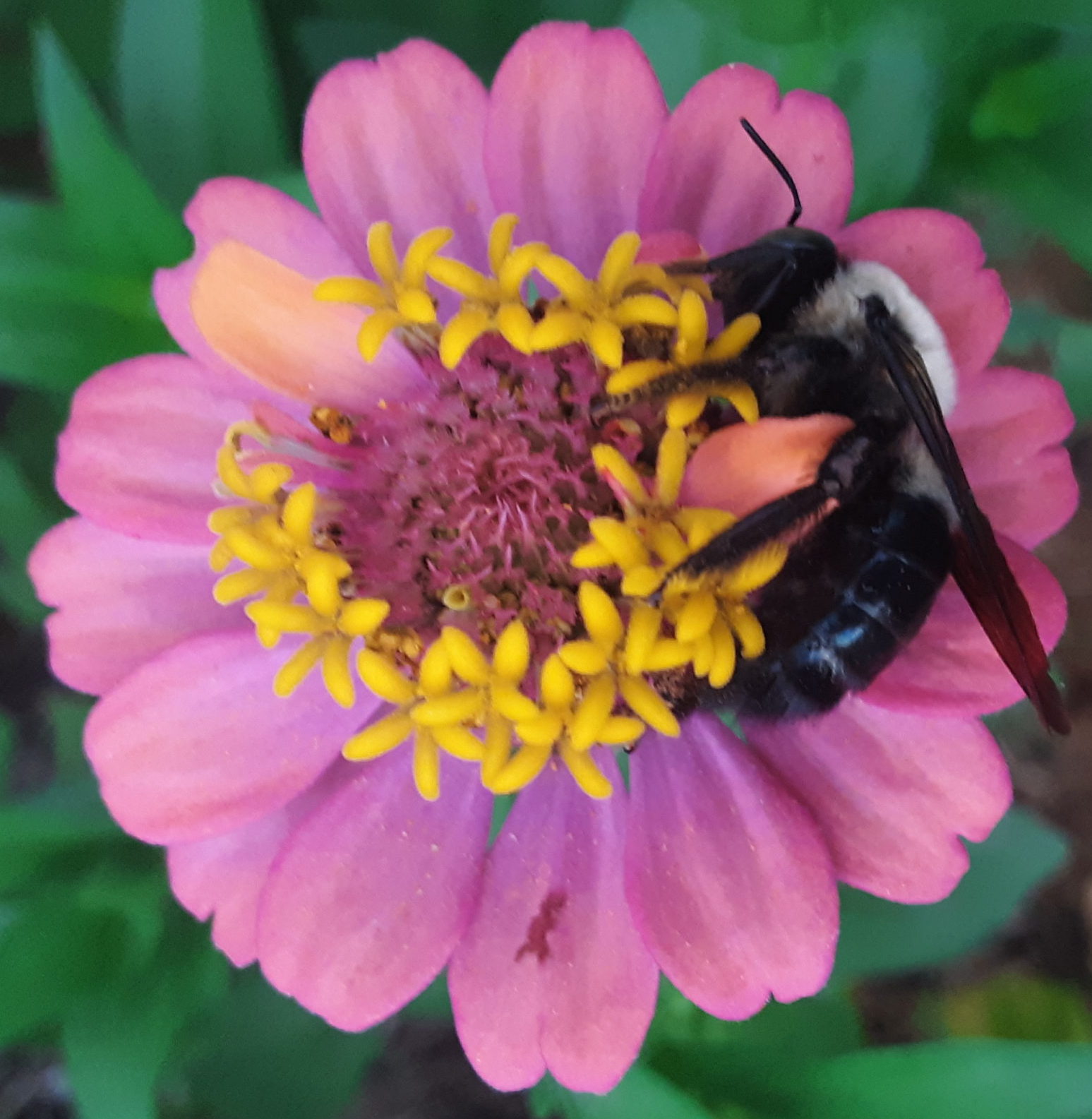
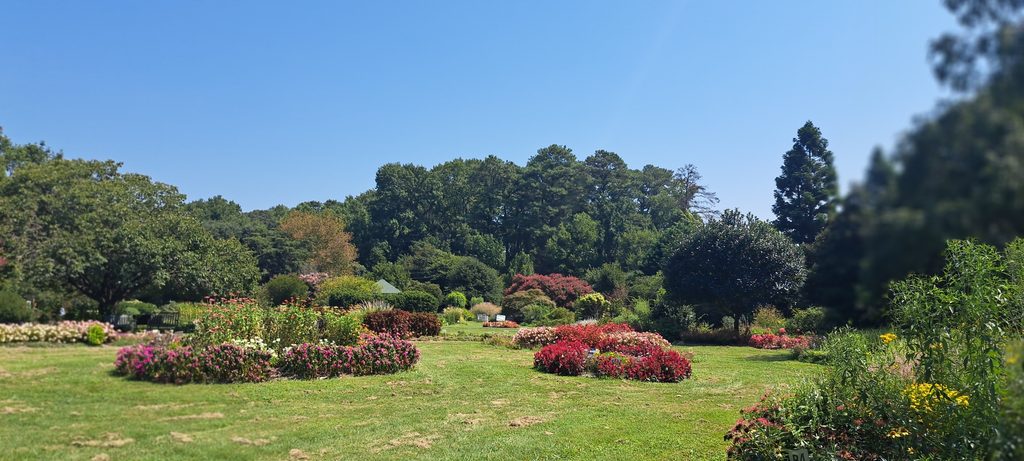
I start my Virginia Beach Garden tour of mostly historic sites at the Hampton Roads Agricultural Research and Extension Center and the Tidewater Arboretum. A true garden by and for the people, this Virginia Tech outpost near the beach has a lot to offer.
An Oasis by the Atlantic
The Hampton Roads Agricultural Research and Extension Center and the Tidewater Arboretum offers easy parking, flat walking surfaces, and knowledgable people happy to tell you about the gardens.
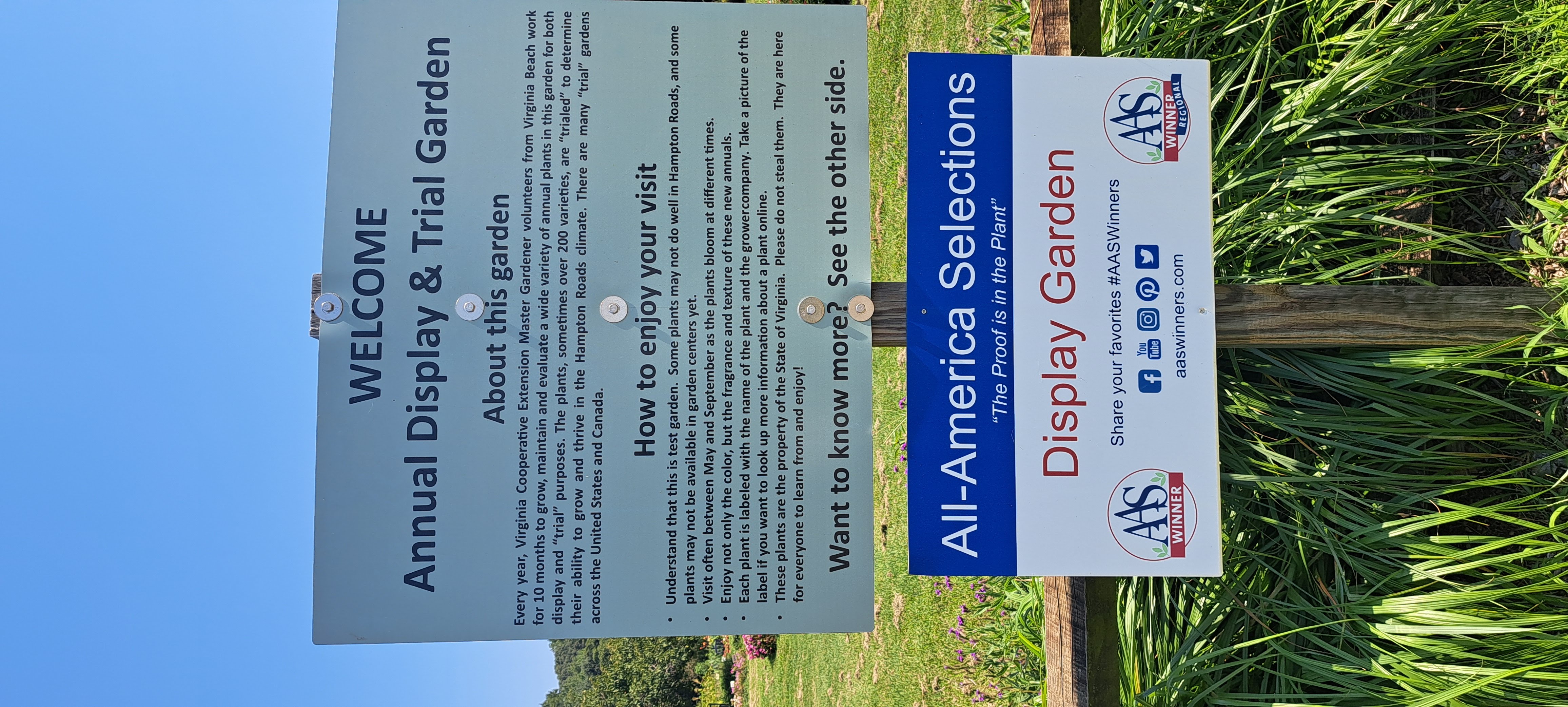
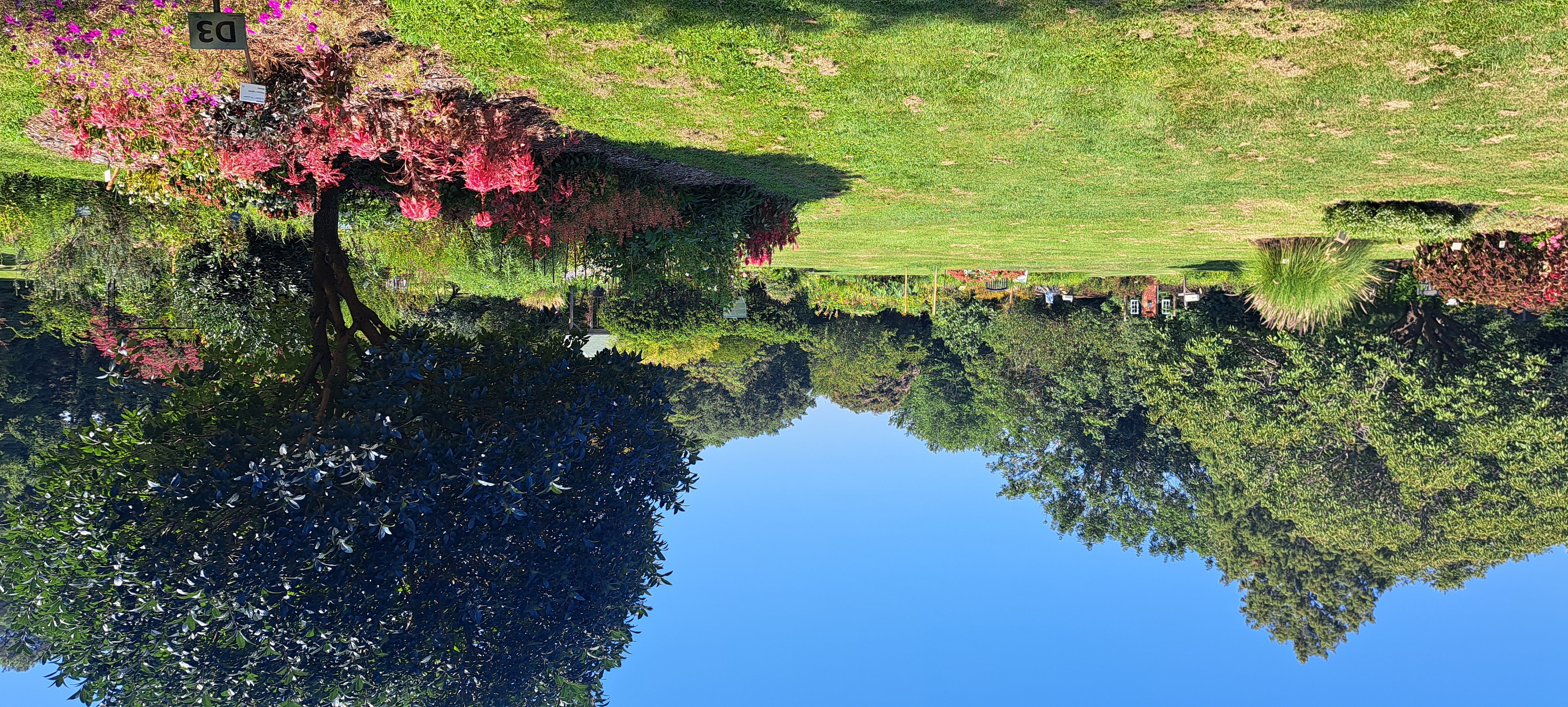
The day I visit is in early September, but definitely still summer! Annual display and trial gardens bloomed front and center near the graveled parking lot right off Diamond Springs Road.
This display garden features trials of developing flower and foliage, focused on Zone 8/Southeastern plants:
The gardens were landscaped nicely, and everything was blooming when I was there. It was quite beautiful.
A Shady Spot
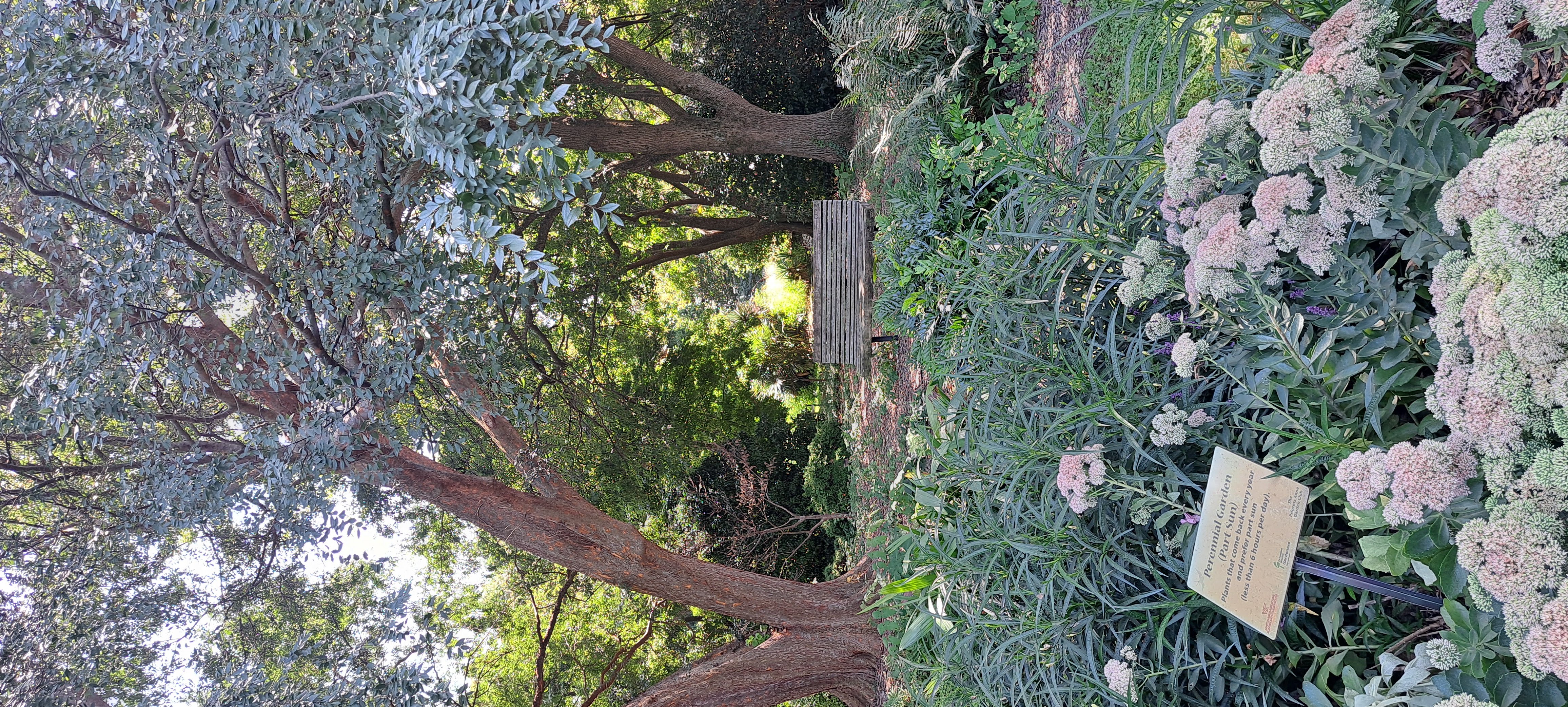
Woodlands and shade area, a perennial garden, part sun demonstration area. So you can see what may work for you if you live down in the Hampton Roads (or Southeastern Zone 8) area. There are several themed plantings, including one for deep shade (which is whatvyou hsve if you get less than six hours of direct sunlight per day in that part of your yard).
A Place to Play
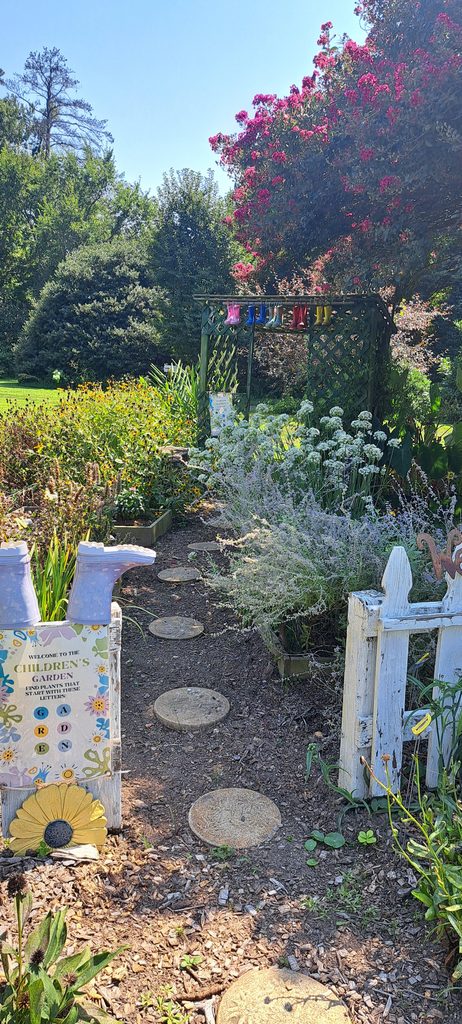
I took a path to a little children’s garden, which was inviting and for kids of ALL ages. There’s all kinds of things even the youngest (or oldest) can do: find plants that start with different letters. Marvel at the planted rain boots. The Master Gardeners do a great job here!
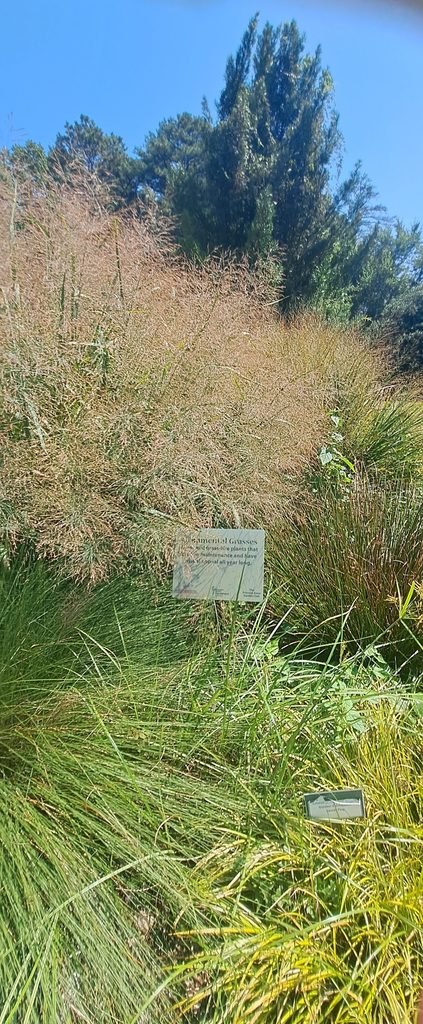
There are different ornamental grasses, so you can see what kinds might work for your situation.
Unlike most things in the garden, these grasses weren’t labeled. But grasses (especially native ones) can be an especially exciting and easy way to plant near a beach or on a slope of any kind.
Turf near the surf
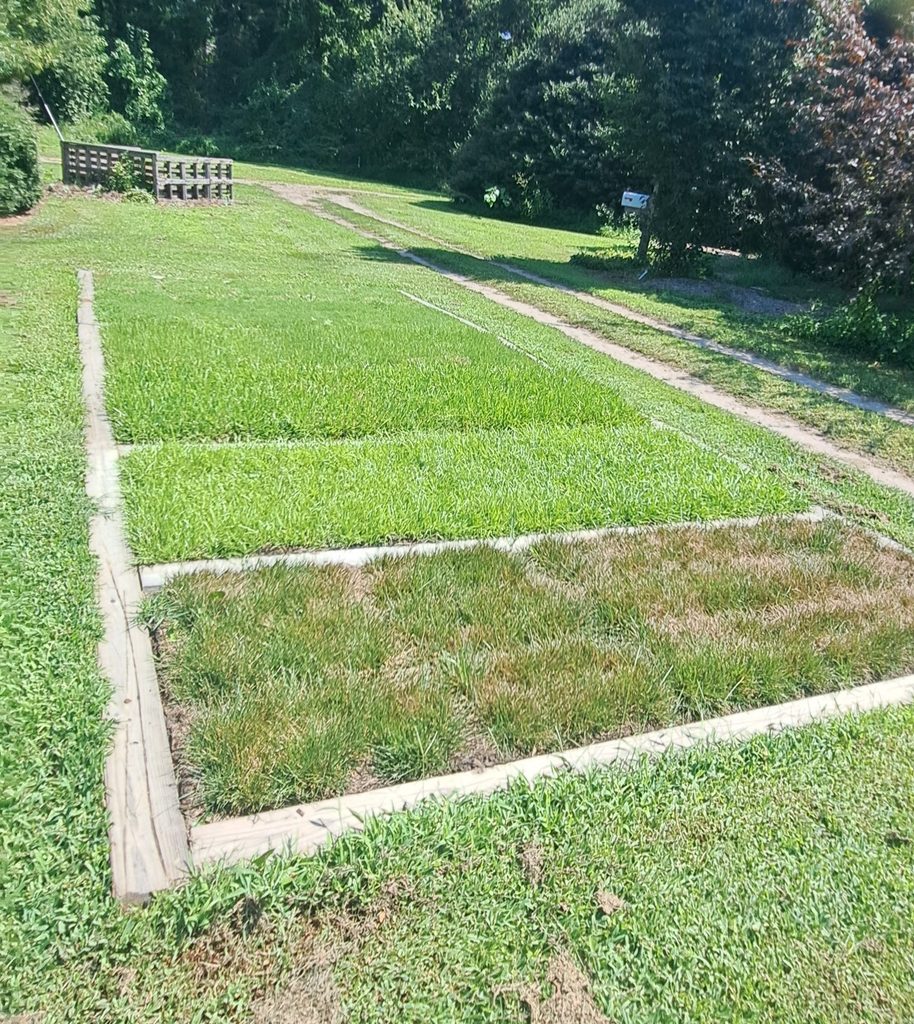
There’s a demonstration area for different kinds of turf grass. Each plot is labeled. You can see what type of turf grass might work best for you based on how it’s doing in their gardens.
Themes aplenty
Continuing on, there’s a water wise trail. This type of planting is quite relevant these days, as rains is more sporadic throughout Virginia these days.
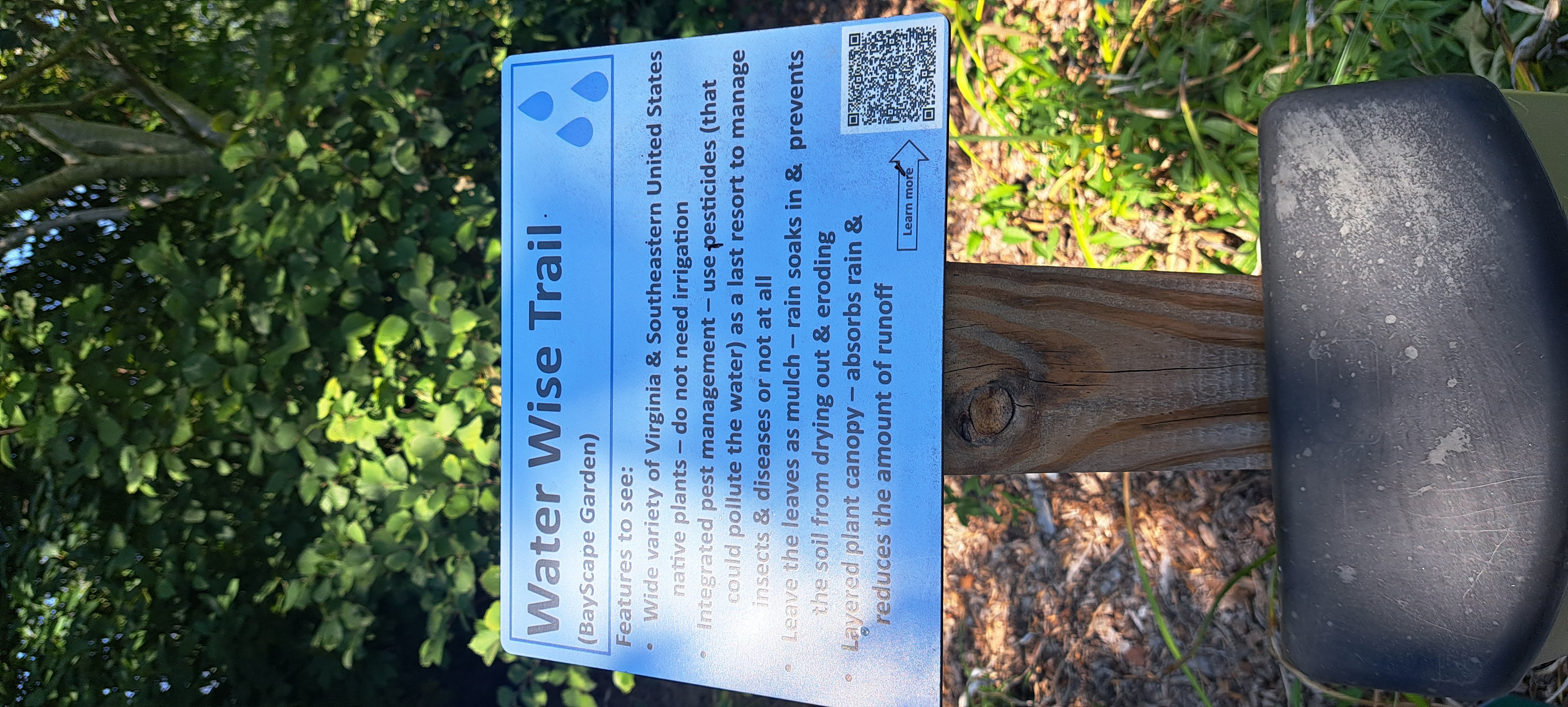
They were renovating the garden at the time. I still thought it looked great.
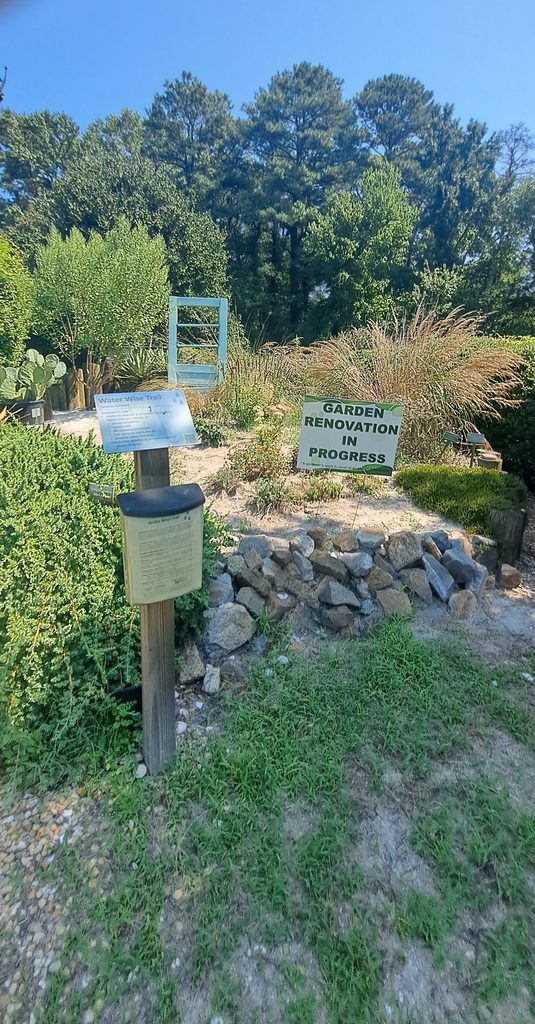
Different methods they’ve employed here, like growing cacti, heavy cover such as juniper, and using rocks and less grass creat a visually stunning landscape.
A Bit Salty
There are many informational signs, with pages available to take with you to help you with plant choices.
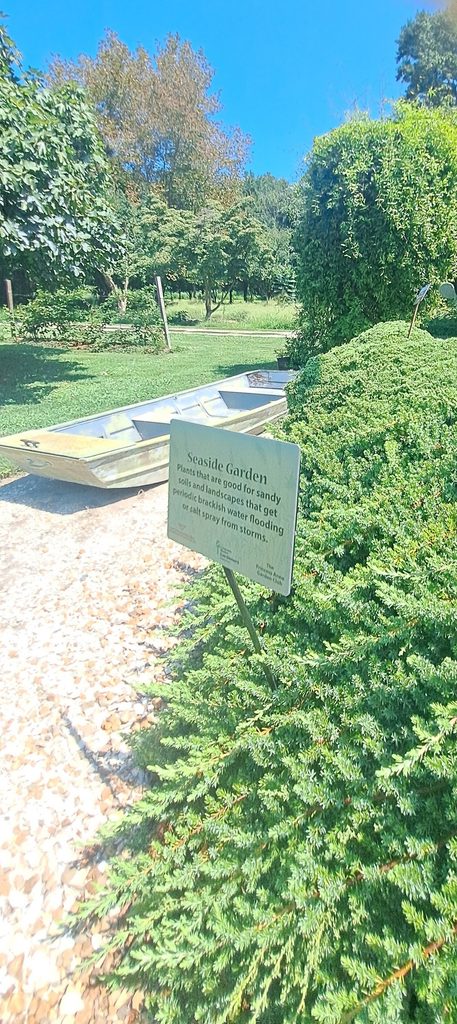
There’s a seaside garden demonstrating which plants are good for sandy soils, periodic brackish water flooding, or salt spray during storms. That’s a very important consideration when planting in this area. Other places near the coast, along the Carolinas, Virginia and even into Maryland. (Zone 8) could benefit from the information contained in this planting.
A Walk in the Woods
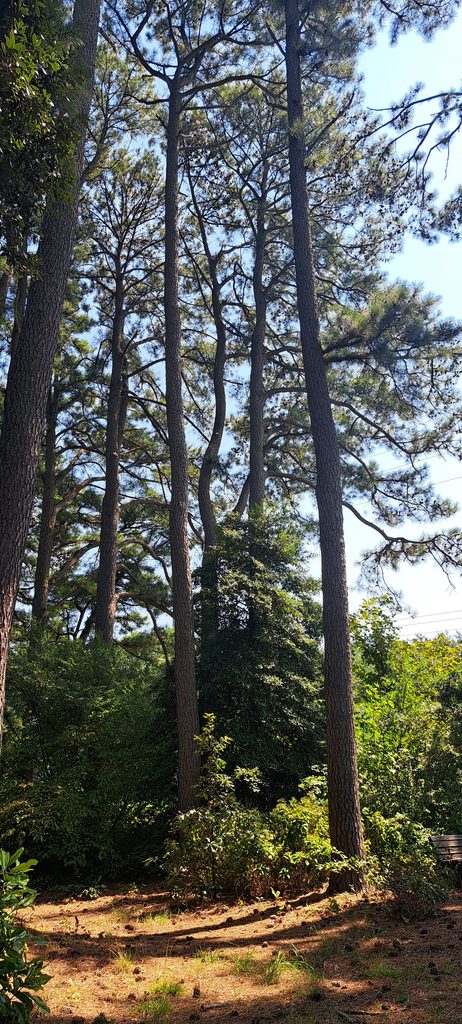
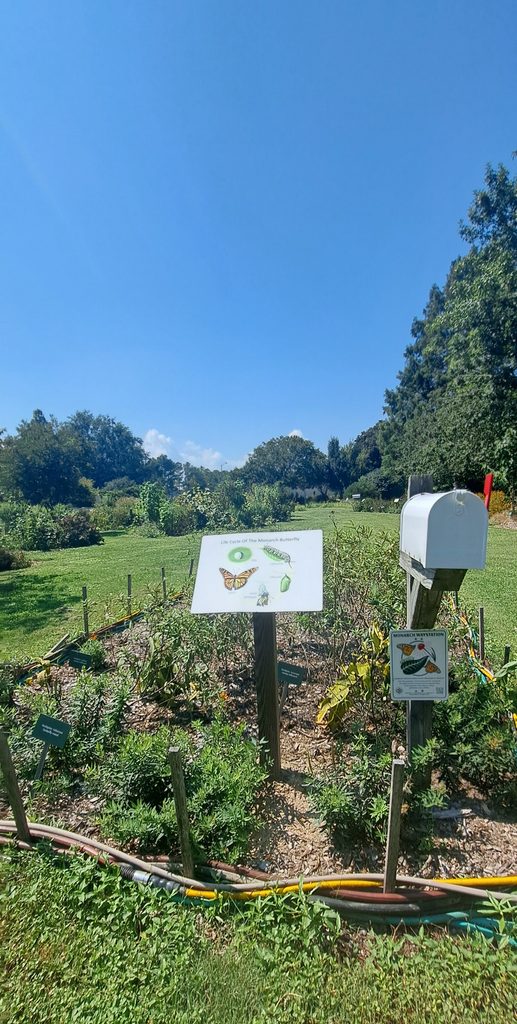
There’s a Woodland walk, an informational butterfly garden with signs about the life cycle of a monarch butterfly.
If you like trees, and want to plant some on your property, there is a special exhibit. It is a planting featuring trees that grow well around and under power lines.
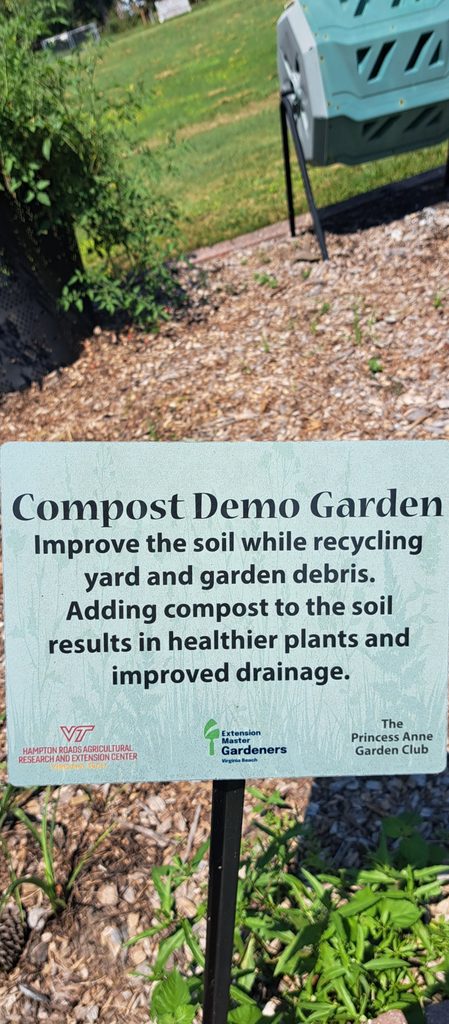
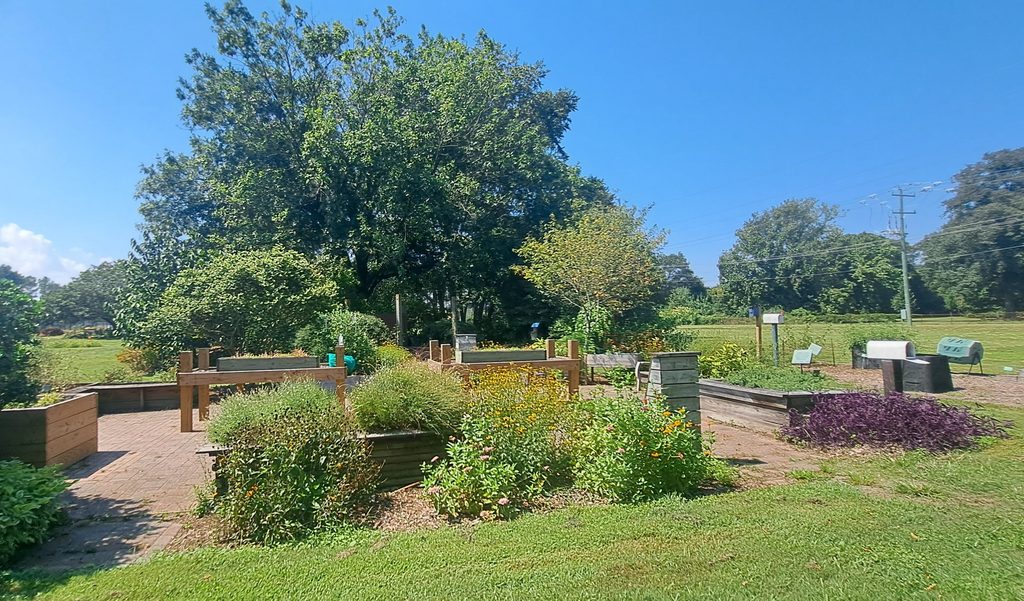
Othee demonstration gardens showcased include different materials used to build raised beds, as well as an area displaying many different composters.
These types of visuals are helpful to determine which style goes with your home’s architecture.Not only that, but they also give you an idea of what height bed you are comfortable using.
Here, you can easily experiment with very important components of gardens without having to buy them first:
What type of composter is easy to turn? Which height /material of raised bed works best in your yard?
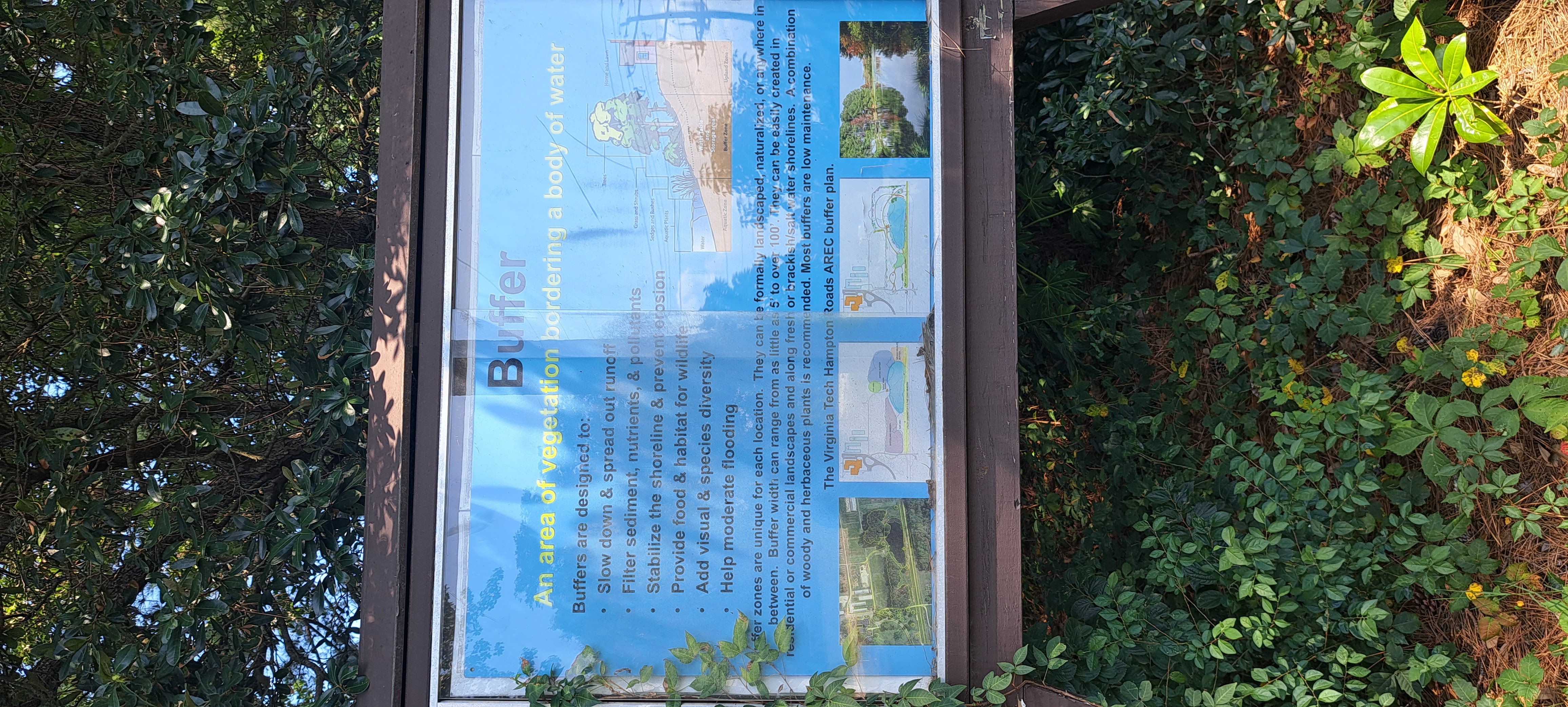
Other themed gardens include: a Buffer Garden. This is vegetation that you can grow between neighbors or waterways.
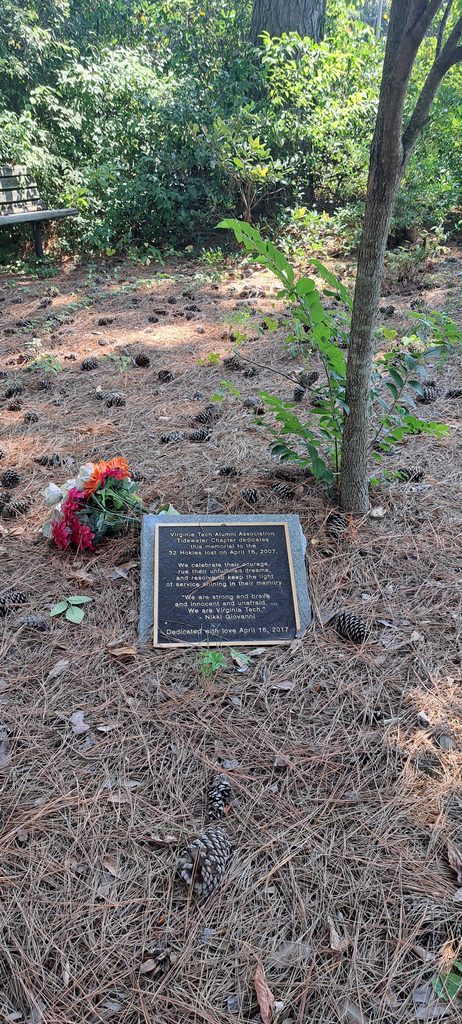
Amongst the tall Pines, there is a memorial. This is for people that were lost due to the Virginia Tech. Shooting in 2007.
If you need a reason to visit…
There’s some really beautiful themed gardens and Extension and the Master gardeners in the area have done a fabulous job showing an incredible variety of what is possible in Growing Zone 8.
I highly recommend checking the Research gardens out, even if you only have time to stop in and see a bed or two. If you’re also going to be visiting some historic homes in the area, these gardens provide education and context to help you understand why earlier generations planted certain things you might never have questioned before.
The historic gardens we will visit are all quite close to Hampton Roads Agricultural Research and Extension Center and the Tidewater Arboretum.
Visiting
If the small lot of five spaces near the trial gardens are full, you can also park at the offices another 0.25 miles up the road. From there, it is a bit more of a walk to the gardens, but hthere are easy to negotiate walkways.
The Hampton Roads Agricultural Research and Extension Center, was “formerly known as the Virginia Truck Experiment Station (1907-1967), Virginia Truck and Ornamentals Research Station (1967-1987), and Hampton Roads Agricultural Experiment Station (1987-1992), [and] conducts research and extension programs that benefit the horticulture industry in Virginia.”
The gardens are free and open to the public and are locatred at 1444 Diamond Springs Road in Virginia Beach, VA.