How did a volcano cause Virginia’s longest winter in 150 years? This post is not like the usual articles you’ll find on Virginia is for Gardeners. But you’re here, so please! Read on.
Little-known Virginia history
Several years ago I happened to read a small community newspaper in Lynchburg, Virginia. It was in 2010, and there was an odd article that recounted some history I had never heard before. It was about the volcano Krakatoa in Indonesia erupting in 1883.Apparently, this single event caused the longest winter in Virginia in over 150 years.
Of course, back then, we didn’t have instantaneous weather reports like we do now. So it took a few days for the news to reach the United States and to find out that there had been a huge explosion. Typically, people were very sad to hear of the deaths. In the immediate area, at least 36,000 people died during that explosion.
The very definition of a delayed reaction
But the immediate repercussions for those in Vitginia didn’t kick in until a few months later. Winter was supposed to end, but it didn’t. Even months after the volcano erupted.
The ash from the volcano obscured a fair amount of sunlight that would normally reach the east coast of the United States. Winter ended up lasting about two years.
Nonfiction inspiration
I started work on a historic non-fiction book, and learned a few years later that someone had written a futuristic account of the phenomenon, set in Appalachia.
I’ve gone back and read a lot of old newspaper accounts on microfiche as research. While my novel is nowhere near done yet, unfortunately, I do think it’s important to note for Virginia (and Mid-Atlantic) gardeners right now, (since you know could use this information proactively) that there is a chance of something happening in Indonesia affecting us again.
Back to the future
Not only were 1600 flights immediately canceled or postponed in September 2026 because of this explosion, but the eruption is still happening a week later.
Yes, we have better world trade now, so we can get our food from anywhere on the planet much easier than in the 1800s.
But there are other worldwide events that affect trade of food as well. The growing of food, and world events currently affect those factors as well.
It could happen here: just in case
So this fall, when you plant, you may want to plant a little bit more cold weather crop plants than you normally might, just in case it doesn’t warm up in May. I’m not saying that’s going to happen! I’m not trying to be a fearmonger. But if it’s happened before, it could happen again. (
On the positive side, if you like winter greens, you may be in luck, because winter might last a little longer this time.
Sow abundance
Some winter greens that you can plant right now for a spectacular future harvest: arugula, beet, cabbage, calendula, carrot, dill, kale, lettuce, mizuna, mustard, radish, spinach.
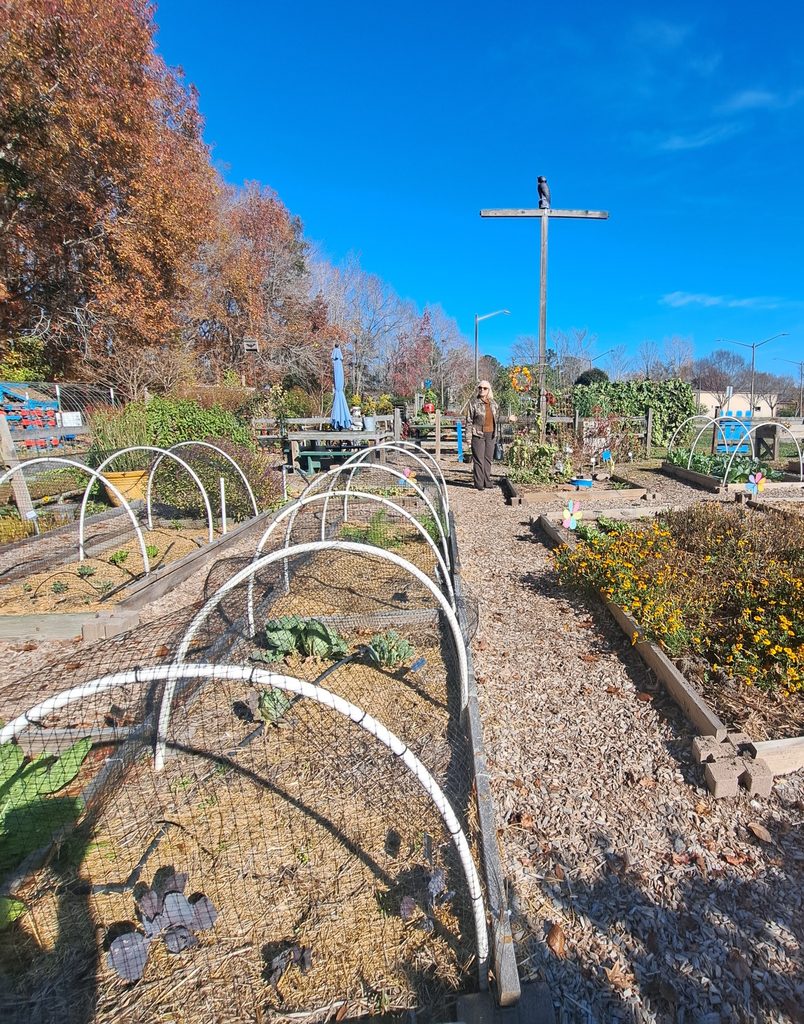
Here are some pictures of some beautiful fall and winter gardens, for your gardening inspo.
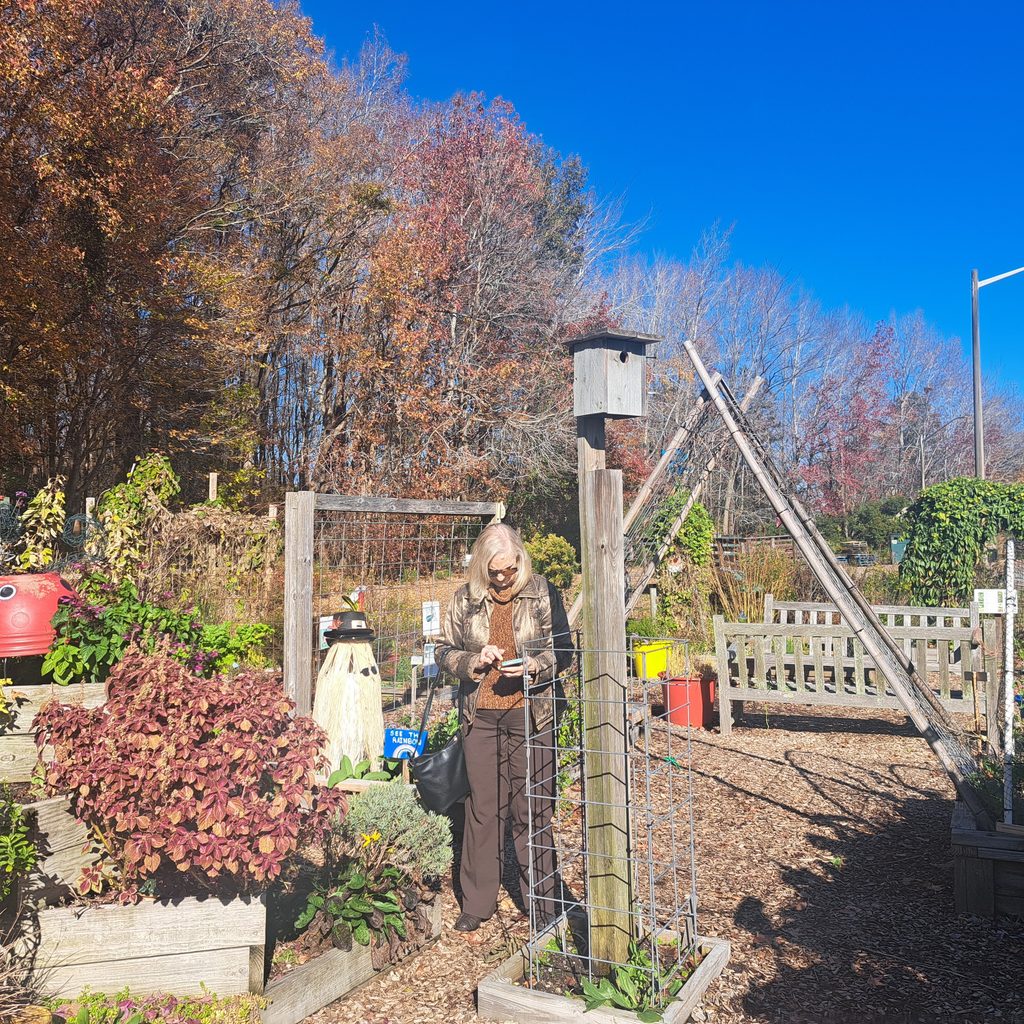
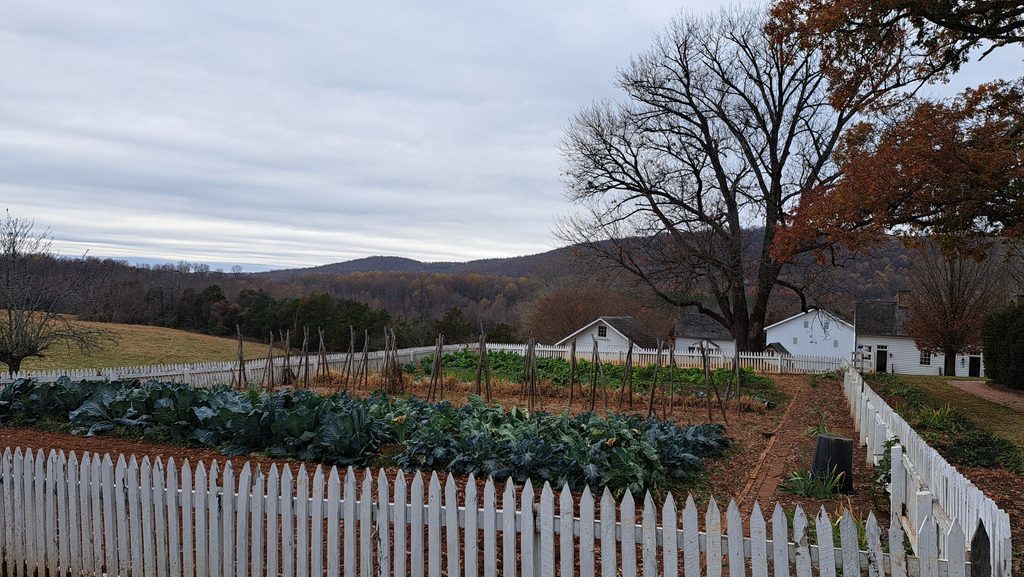
Also consider protecting against another long winter in Virginia by adding things like: high tunnels, cloches, wall o’ waters, and purchasing or building cold frames or a lean-to greenhouse.
Preparation is never a waste of time!
A historic event that happened over 100 years ago caused Virginia’s longest winter. Just this week, a recent explosion of the same volcano area again occurred. We will not know the effects of this event for several months.
Refer to the lists
What I encourage you to do, (and I usually suggest this anyways), if you want to be prepared in case of another “longest winter in Virginia” situation, refer to my garden to-do lists.
I have July, August September and early fall lists complete. I will soon offer a year-round calendar download as a freebie for those who sign up for my email list.
Also, pay special attention to which plants to plant (above).
Best supplies to have on hand
Order your seeds early, and pay special attention to cold weather crops.
Make sure that you have some shade cloth on hand (or something you can fashion into shade cloth). This is in case you plant a lot of cold crops, and it turns out that spring DOES in fact return when we expect it to.
Then, make your harvest go a little longer by providing extra shade.
That’s the main concern: making sure to preserve the harvest as long as possible.
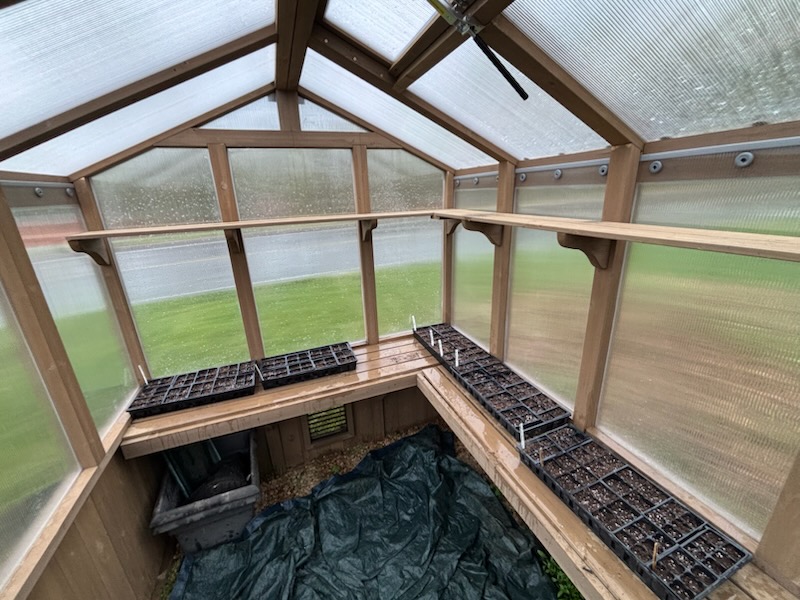
Definitely keep planting like it’s summer, but also pay close attention to areas in your house where you can create a sunny and heated area to grow things that you might normally grow outdoors in the summer.
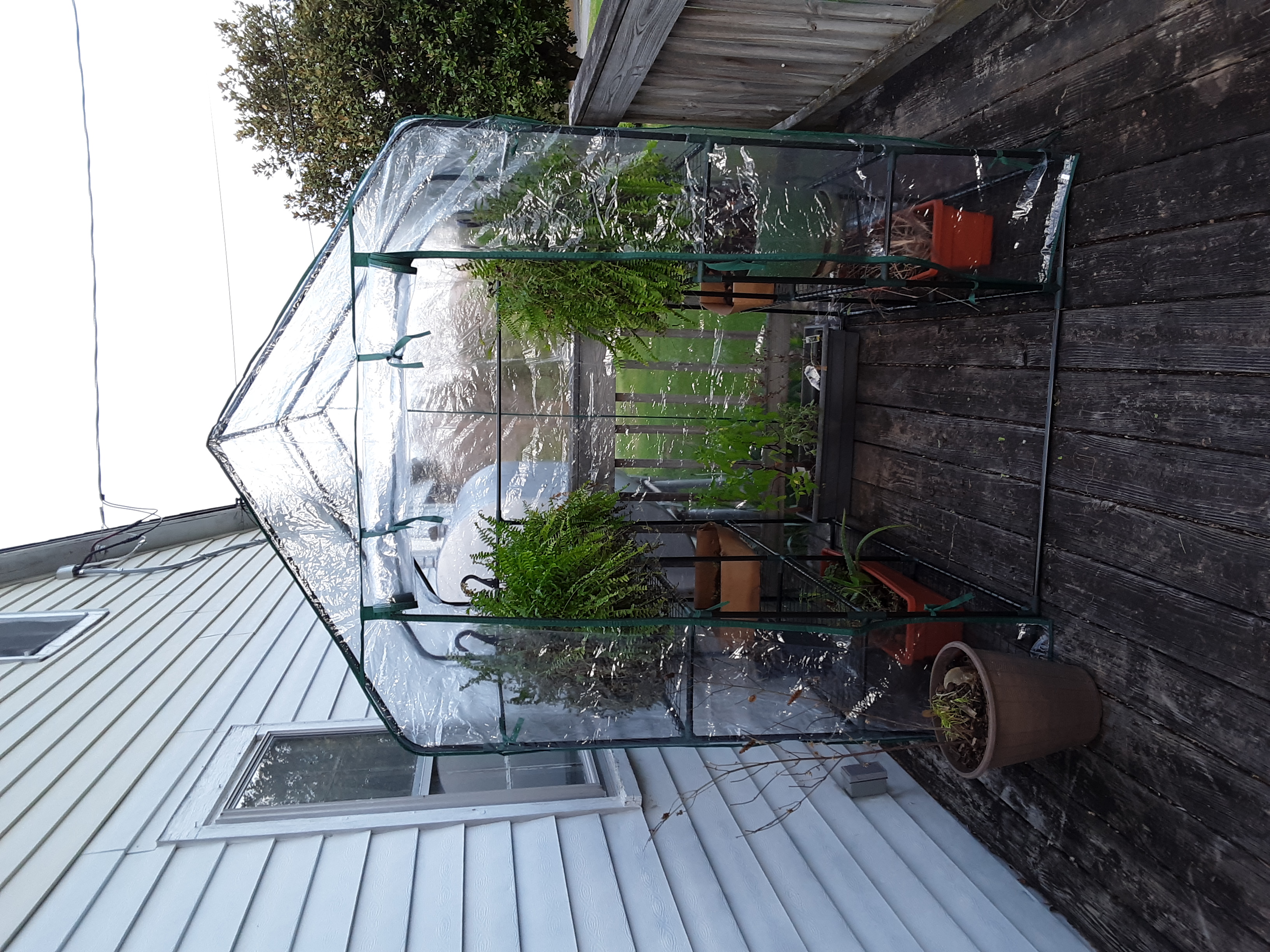
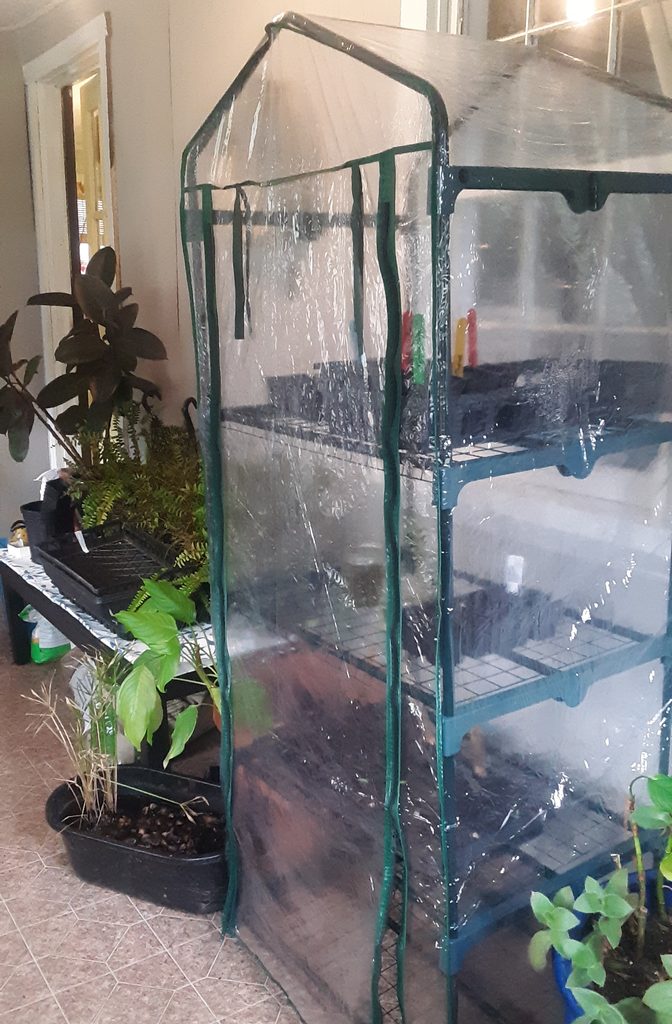
Again, consider if you want to have high tunnels, cold frames, miniature greenhouses or attached greenhouses onsite. Any of those will be a good investment just for starting off seeds anyways. Look for places in the house to create a warm area to grow things in case it’s needed, if ash does obscure sunlight from getting to this part of the world longer than we would expect typically in the spring.
Okay! Stay well fed and keep your eye on the sky. From the coast to the mountains….Virginia is for gardeners!